The types of students I am thinking about at the moment are: the students that are hard of hearing and the students that cannot speak.
There are many different forms of assistive technology for
individuals that are hard of hearing.
Since this blog is about students in an educational setting, I will
quickly explain assistive listening devices.
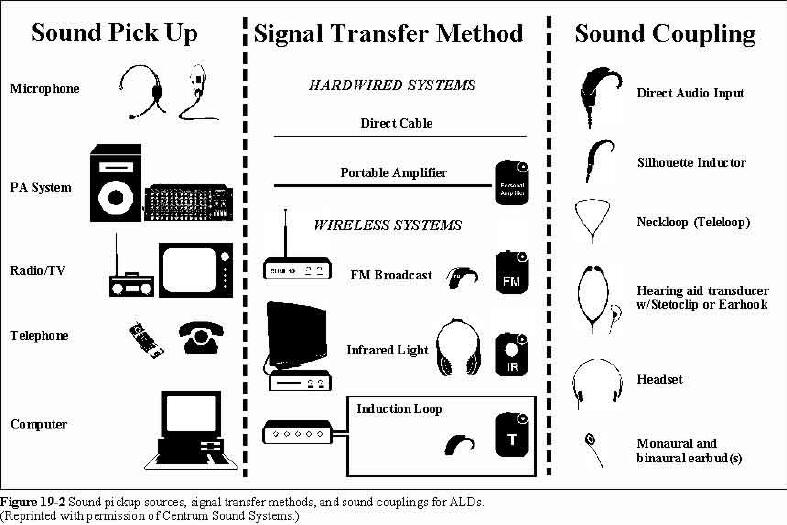
“ALDs help reduce the effect of an ‘acoustically unfriendly room’. They catch a desired sound… as cleanly as possible
and amplify it for students who are hard of hearing.” (Dell, Newton, &
Petroff, 2012, p. 142-143)
 |
| (http://www.centrumsound.com/Audiology/images/fig2.jpg, 2014) |
This is important so that a student is able to hear a
lecture/lesson even when the teacher is moving around the room with their head
down (demonstrating an activity – a science lab for example) or facing the
blackboard/whiteboard.
There are multiple different forms of assistive technology for
individuals that cannot speak; called alternative and augmentative communication
devices (AAC). AAC is typically referred
to as augmentative communication; which is all about helping individuals who
cannot speak to have the ability to interact with others (Dell, Newton, &
Petroff, 2012, p. 150). Since my
experience is mostly within autistic support classrooms, this form of assistive
technology (AT) is what I’m most familiar with.
Sign language is a form of AT, as well as alphabet boards, and of course
computerized ‘talkers’.
 |
|
|


No comments:
Post a Comment